
Ever wondered if there’s a “worst” number to bet on in roulette? Many players imagine certain numbers cause the biggest losses after a bad run, but the reality is different.
Understanding the house edge, the odds behind each bet, and how the wheel is arranged will help you make clearer choices and set realistic expectations. Let’s unpack the myths and find the facts behind roulette’s most talked-about numbers.
Curious? Keep reading to learn what really matters for your chances at the wheel and how the game’s structure affects every spin.
What Is the Worst Number in Roulette?
When people talk about a “worst number,” they usually mean a number that seems to lose more often or triggers big losses. In practice, every number on the roulette wheel has the same probability of appearing on any given spin.
The idea of a worst number is a misconception. No number is inherently less likely to come up over time. Roulette is built so each pocket has an equal chance, and outcomes are governed by chance, not any mystical property of a particular number.
If someone says a number is “jinxed” because of past results, that’s an interpretation of random patterns rather than a mathematical truth. Knowing this can stop you from chasing losses or changing bets based on superstition, and it keeps your expectations aligned with how the game actually behaves.
Understanding the Roulette Wheel: How Numbers Are Laid Out
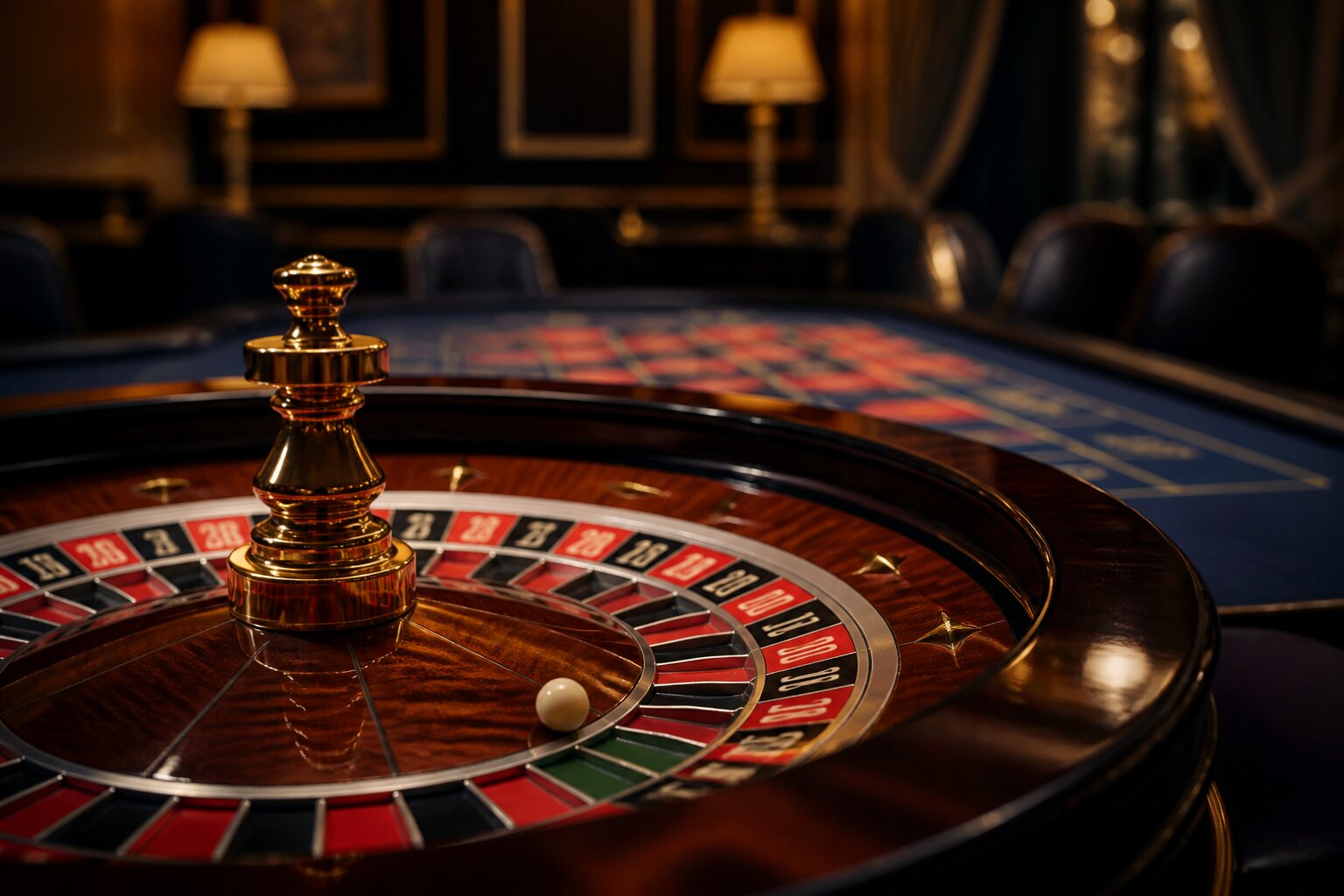
The arrangement of numbers on a roulette wheel follows a specific pattern that balances colours and number ranges around the rim. On a European wheel there are 37 pockets: numbers 1–36 alternating red and black, plus a single green 0. The American wheel adds a 00, making 38 pockets and altering the sequence.
These patterns are historical and structural rather than strategic: they spread high and low numbers, odds and evens, to keep the wheel balanced. While the visual layout can help you spot whether you’re at a single-zero or double-zero table, it doesn’t change the probability of any individual number appearing.
Knowing the difference between wheel types is useful because it links directly to the house advantage and expected returns, which we’ll look at next.
How Does the House Edge Work in Roulette?
The house edge is the percentage that, on average, the casino retains from all wagers. It comes from the fact that payouts are slightly less than the true mathematical odds of each bet.
European roulette, with a single zero, carries an edge of about 2.7%. That means over many spins the operator keeps approximately £2.70 for every £100 wagered. American roulette, with 0 and 00, has a larger edge of roughly 5.26%, due to the extra green pocket.
This built-in advantage applies equally to all bet types and doesn’t depend on past results. Short-term wins are possible, but over long periods the house edge determines the expected outcome for the player pool as a whole.
Why Does the Worst Number Matter for Players?
Players often fixate on a “worst number” after a losing streak, because certain losses feel more memorable. Emotionally, an isolated run of bad outcomes can make a particular number stand out, but that doesn’t change the probabilities.
Believing a number is worse can encourage riskier behaviour, such as increasing stakes to try to recover losses or switching strategies based on gut feeling. Those choices tend to raise variance and the chance of larger losses, not improve results.
A practical takeaway is to base decisions on odds and the house edge, not on perceived patterns. That approach helps keep play measured and prevents chasing outcomes that the game’s design cannot be influenced to change.
It’s worth pausing here to consider how the actual odds shape those choices — the next section explains them in plain terms.
Roulette Odds Explained: What Are Your Chances?
Different bets in roulette have different probabilities. A straight bet on a single number has the lowest chance of success but offers the highest payout; bets covering larger groups of numbers win more often but pay less.
On a European wheel, a single-number bet wins 1 in 37 spins; on an American wheel it’s 1 in 38. Even-money bets — such as red or black, or odd or even — come close to a 50% outcome but fall short because of the green zero(s).
These odds help you match bet types to your appetite for risk. If you prefer steadier, smaller wins, even-money bets suit that aim; if you’re looking for higher payouts and accept the lower hit rate, single-number bets fit that profile. Either way, every spin is independent, and past results do not influence the next one.
European vs American Roulette: Which Has a Higher House Edge?
The key difference is the number of green pockets. European roulette has one zero and a house edge around 2.7%. American roulette includes both 0 and 00, which raises the house edge to about 5.26%.
That difference affects expected returns over time, making single-zero wheels more favourable from a player’s perspective. It’s sensible to check the wheel type before you play, since the structural variance directly influences long-term outcomes.
Common Myths About "Unlucky" Numbers in Roulette
A number that appears less often in a short session or seems “due” are both examples of misreading random sequences. Each spin is independent and governed by the same probabilities every time.
Rituals or betting patterns don’t alter those probabilities. While routines may add personal comfort, they have no effect on outcomes. Misplaced confidence in such methods can prompt more aggressive staking, which increases potential losses without improving expected returns.
Being clear about what the game can and cannot do reduces the chance of harmful choices. Treat strategies and rituals as personal preference rather than performance enhancers.
If you’re wondering whether any practical approach can shift the odds, the answer lies in understanding wheel types and bet structures rather than in trying to influence spins.
Can You Avoid the Worst Number in Roulette?
Because each spin is random and independent, it isn’t possible to reliably avoid any single number. Choosing different bets or trying to “cover” certain numbers changes the distribution of outcomes you’re exposed to, but it doesn’t change the underlying probabilities.
Some players attempt complex betting patterns to reduce perceived risk, but those only alter variance — how wins and losses are spaced — rather than the house edge. That means outcomes remain unpredictable in the short term and governed by the same expected loss rate over time.
A more constructive approach is to pick bet types that fit your financial limits and entertainment goals, and to accept that every spin can land on any pocket. That way your choices reflect personal comfort with risk rather than chasing an unprovable advantage.
Key Takeaways on Roulette Numbers, House Edge & Odds
Here are the main points to remember about roulette numbers, house edge and odds.
- No “worst” or “best” number: every pocket has the same chance on any given spin.
- House edge is constant: single-zero wheels have a lower edge than double-zero wheels.
- Myths don’t change probabilities: rituals and patterns don’t affect outcomes.
- Match bets to your risk tolerance: different bet types balance hit frequency and payout size.
If gambling ever stops being enjoyable, help and advice are available from specialist organisations. Play with limits in mind and make choices based on the facts about odds and house edge rather than on perceived streaks.
Roulette is a game of structured chance; understanding its mechanics helps keep play informed and sensible.
**The information provided in this blog is intended for educational purposes and should not be construed as betting advice or a guarantee of success. Always gamble responsibly.