
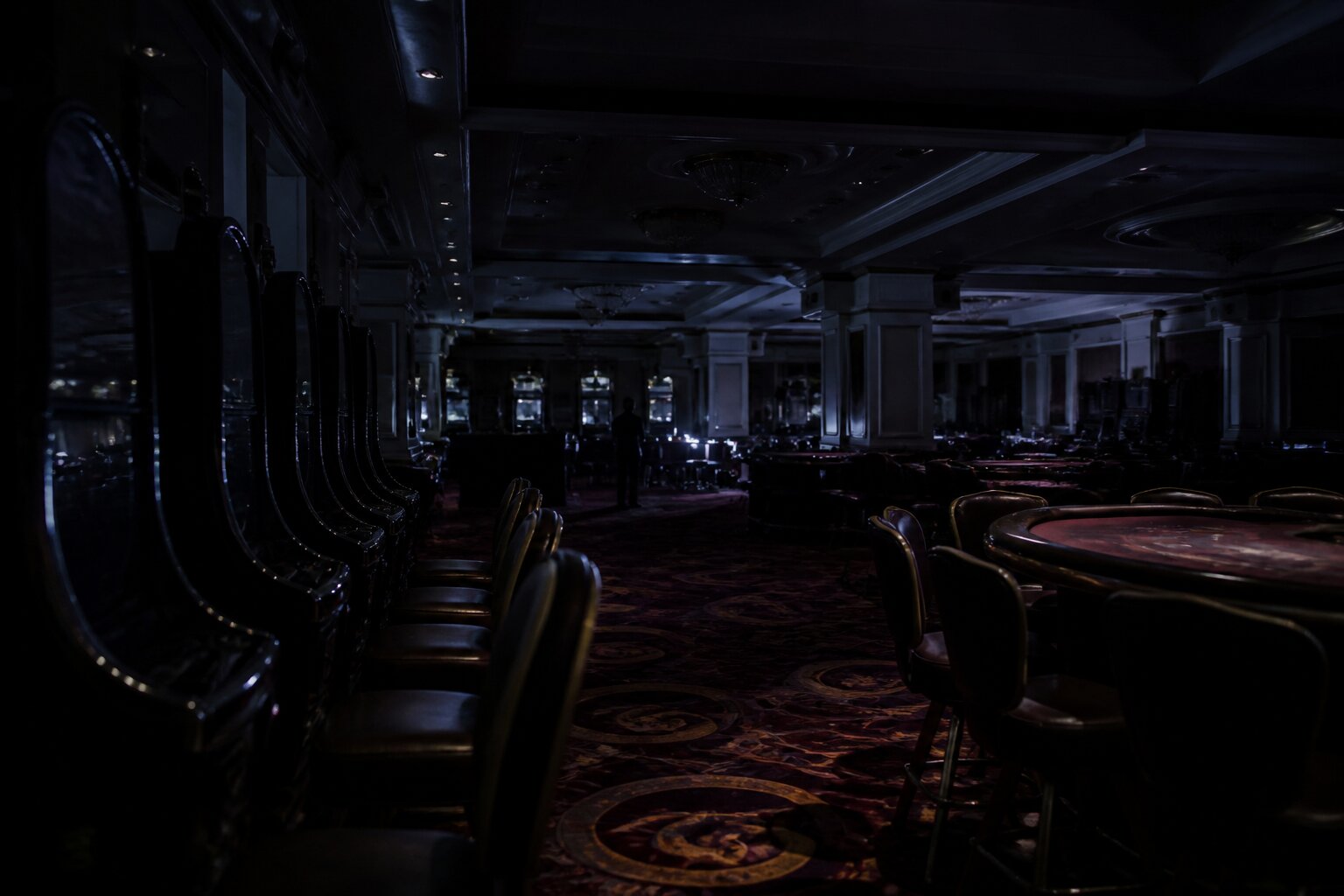
Ever wondered what would happen if all the lights suddenly go out while you’re spinning the reels or playing blackjack at your favourite casino? It’s a rare event, but power outages do happen — even in places designed for continuous play.
From confusion on the gaming floor to what happens with bets and payouts, a power cut raises a lot of practical questions. This guide explains what typically happens at land-based and online casinos, how staff respond, and what protections are in place to keep customers and their funds safe.
Read on to learn how casinos manage outages, what you can expect as a guest, and how claims are handled if a game is interrupted.
What Causes Power Outages in Casinos?
Power outages can result from a range of issues, some obvious and some more technical. Local electricity network faults such as damaged cables or transformer failures are common causes. Severe weather — heavy rain, strong winds, or lightning — can also interrupt supply or damage infrastructure, sometimes affecting a whole area.
Occasionally the problem lies inside the building: an internal electrical fault, overloaded systems, or maintenance work that goes wrong can all lead to a temporary cut. Outside influences like nearby construction or accidents that damage power lines are another possibility.
Casinos invest heavily in reliable power and maintenance, which makes outages uncommon, but those precautions cannot remove every risk. Knowing the likely causes helps explain why venues prepare extensively for the unexpected. This leads into how they get ready for such events.
How Do Casinos Prepare for Power Outages?
Casinos plan for outages as a standard part of operations. Most large venues have backup generators that start automatically to power essential systems — lighting in key areas, security cameras, and emergency communications — the moment the main supply fails. This immediate cover reduces risk to guests and protects critical equipment.
Training is central: staff run regular drills so everyone understands evacuation routes, how to secure cash and gaming equipment, and how to communicate clearly during an incident. Written contingency plans set out responsibilities and procedures, and these are regularly reviewed and updated.
Regulatory expectations require documented emergency procedures, secure data handling and continuity planning, so operators combine technical safeguards with clear human protocols. With those basics secured, staff can move quickly to the immediate actions that keep people safe and preserve fairness.
Immediate Actions Taken During a Power Cut
When the power goes out, practical steps focus on safety, security and preserving the state of play. Emergency lighting and backup power for critical systems help maintain safe movement around the building, and trained staff begin orderly actions to protect customers and assets.
Security teams secure entrances and sensitive areas while cash handling processes are locked down and any open games are recorded or paused. Communication is kept calm and clear so guests understand what is happening and what they should do next. Everything done during the incident is documented to provide a clear audit trail for later review.
These measures protect people and property immediately, and they also preserve the information needed to resolve unsettled bets and machine states once power is restored. That resolution is covered next, describing how different game types are treated.
What Happens to Casino Games and Machines?
Different games respond to outages in distinct ways, and operators follow strict procedures to keep outcomes fair and verifiable.
Table Games and Live Play
Live table play is paused to protect all bets and to maintain fairness. Dealers and supervisors account for chips, cards and current wagers, recording the table state precisely. This includes noting the position of any cards, the stack of chips for each player and any unresolved bets.
Play resumes only after staff have verified positions, outcomes and safety, so no action is taken until checks are complete. Supervisors may consult surveillance footage and documentation to confirm the exact moment the interruption occurred and to ensure that any resumption follows the casino's established rules.
Slot Machines and Electronic Devices
Electronic machines are designed to preserve the current game state. Systems generally log the point at which an interruption occurs so that incomplete plays can be identified later.
When power returns, technicians check machines for errors and integrity. Incomplete spins or interrupted plays are identified and resolved according to documented procedures; this can involve technical teams reviewing machine logs before any payouts are authorised. Any decision about voiding or completing a play is recorded and communicated to the customer in line with the operator's published policies.
Online Casino Operations
Online platforms rely on resilient servers and secure data storage to preserve account balances and game states during disruptions. Operators maintain logs and backup systems so that any interrupted sessions can be reconciled accurately once systems are stable.
These protections ensure account information and funds remain intact throughout an outage. Where necessary, customer support teams will contact affected players to explain outcomes and any remedial action taken, in keeping with regulatory requirements.
With game integrity safeguarded, attention shifts to keeping people and valuables secure while systems are offline.
Security and safety procedures aim to protect customers and staff, and to safeguard cash and property until normal operations resume. Staff follow training and incident protocols so the venue remains safe and order is maintained throughout the recovery process.
Safety and Security Measures During an Outage
Protecting guests, staff and assets is the priority during any blackout. Operators use a mix of physical controls and personnel measures to prevent unauthorised access and to maintain order.
Cash-handling areas and tills are locked down, and staff trained in financial procedures document the status of chips and cash at the time of the outage. Security teams monitor entry points and maintain controlled access until electronic systems are available again. Emergency lighting and clear routes reduce the risk of trips or falls and support any necessary movement of guests.
These actions not only protect physical assets but also safeguard personal data and transactional records until normal systems return. After these measures are in place, the focus turns to how guests are supported through the disruption.
How Are Power Outages Handled for Guests?
Guest welfare and clear communication are central to the response. Staff keep customers informed with calm, concise updates and position team members around the premises to assist and answer questions.
If areas must be cleared or guests moved, trained staff guide people along checked routes with lighting and signage to aid safe movement. Those requiring extra help are prioritised, and staff remain on hand to reassure and provide practical assistance. Once conditions are stabilised, guests are kept informed about when normal operations are likely to resume, and any necessary follow-up – for example, claiming unsettled bets – is outlined.
The next section looks at how quickly power is commonly restored and what affects the timeline.
How Quickly Can Power Be Restored in Casinos?
Restoration time depends on the outage cause. Backup generators can supply essential systems almost immediately, but full power restoration may take longer. If the fault is internal, on-site engineers can often diagnose and correct it quickly. If the issue is part of a wider grid problem, electricity providers must repair damaged infrastructure, which can extend the outage.
Throughout, staff focus on safety and regulatory compliance until normal operations are safely resumed. Knowing what affects recovery helps set realistic expectations about when full services will be available again and what interim measures might be used.
From recovery times to daily operations, outages also create business impacts that venues must manage.
Impacts on Casino Operations and Revenue
An outage temporarily disrupts services such as gaming machines, cash transactions, food and beverage outlets and surveillance systems. Staff roles shift toward managing guest safety and performing manual checks where automated systems are unavailable, which can slow typical processes and require extra staffing or overtime.
Operational continuity plans aim to limit business losses and maintain regulatory compliance. Detailed records of events and transactions during the outage are essential for later reconciliation and for meeting reporting obligations. While revenue may be affected in the short term, maintaining transparent procedures and thorough documentation protects both the operator and customers in the longer run.
After operational concerns, there are also legal and regulatory duties that operators must meet during any blackout.
Are There Legal Requirements for Casinos During Blackouts?
Operators must follow legal and regulatory standards that require clear emergency procedures, accurate documentation and safeguards for customer funds and data. Regulatory bodies expect detailed logs of incidents and proof that responsibilities were met during the outage.
Local health and safety laws also apply, so evacuation plans, emergency lighting and staff training are not optional. Compliance is reviewed through inspections and audits, and operators are expected to demonstrate how they managed any disruption to ensure fairness and safety.
Understanding the rarity of outages helps frame why these rules exist and how they support customer confidence. That context also informs how often incidents actually occur.
How Common Are Casino Power Outages?
Outages are uncommon thanks to investment in backup power and maintenance, yet they do happen. Many venues have standby generators, uninterruptible power supplies for critical systems and regular electrical inspections to reduce the risk of a blackout. External factors like extreme weather, accidents or local grid faults are outside an operator’s control, which is why contingency planning is so important.
Preparedness, rather than frequency, determines how well a venue copes when a cut occurs. Staff training, emergency lighting and clear communication protocols help ensure that incidents are managed safely and that services are restored as quickly as possible. Operators also work with local authorities and energy suppliers to resolve faults and maintain records for regulatory and insurance purposes.
This practical rarity explains the emphasis on training and technical safeguards that make incidents manageable and short lived in most cases. When games are interrupted, affected customers want to know about payouts — the next section explains how claims are handled.
Can You Still Claim Winnings After an Outage?
Yes. When a game is interrupted, casinos follow documented procedures to resolve unsettled bets and validate any potential payouts. Records from tables, machines and online servers are used to confirm the state of play at the time of the outage. Staff and technical teams review logs to determine whether a payout or refund is appropriate.
All claims are handled in line with relevant regulatory fairness standards; outcomes are verified before any money changes hands. This process protects customers and operators by ensuring that decisions are transparent, auditable and based on recorded evidence.
Having addressed concerns and misconceptions, we’ll close by summarising what to expect if an outage occurs.
Myths and Misconceptions About Casino Power Cuts
A few persistent myths circulate about outages. One common belief is that power cuts are used to manipulate game results. In practice, regulatory oversight, independent testing and detailed audit trails make such manipulation highly detectable and therefore extremely unlikely. Random number generators used in regulated environments are subject to certification and continual monitoring, which adds further safeguards against tampering.
Another myth is that player data or progress is necessarily lost during an outage. Modern systems are designed with redundancy and backup protocols to preserve account records, session states and transaction logs. Operators also typically keep replayable records and time-stamped logs so that any interrupted game can be reviewed and resolved accurately, reducing the risk of lost funds or unfair outcomes.
Regulation requires incident documentation and transparent resolution processes, which further counters misinformation. Licensed operators must report significant incidents, conduct root-cause analyses and communicate outcomes to regulators and affected customers. These clear procedures and oversight help ensure that outages are handled in a way that upholds fairness and customer protection.
Final Thoughts: What to Expect If the Lights Go Out
Power outages at casinos are rare, and venues prepare for them with robust technical safeguards, well-practised staff procedures and regulatory-compliant documentation. If a blackout occurs, priorities are safety, preservation of game integrity and clear communication with guests. Machines and tables are paused and recorded, cash and data are secured, and claims are resolved using recorded evidence.
You can expect a controlled, transparent response designed to protect customers and staff, and to restore normal operations as swiftly and safely as possible. Throughout the incident, operators remain accountable to regulatory standards and focused on treating everyone fairly.
**The information provided in this blog is intended for educational purposes and should not be construed as betting advice or a guarantee of success. Always gamble responsibly.