
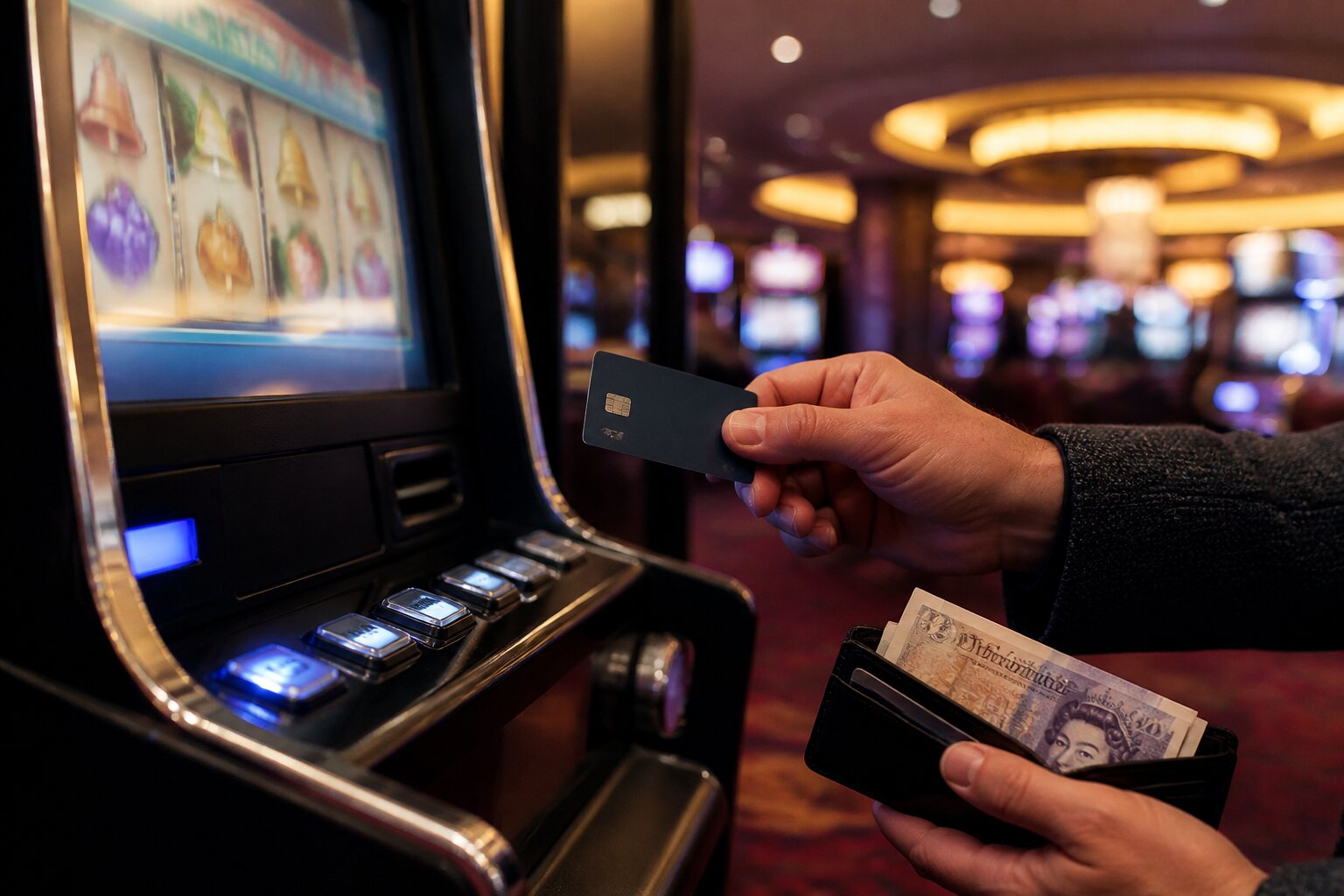
Ever wondered if you can skip the cash machine and use a credit card to play the slots? With so many payment options these days, it’s a sensible question to ask before you head to the casino or log in to an online site.
Payment rules for gambling are stricter than for most other purchases, so it helps to know what is allowed, what’s not, and which alternatives are available. Read on for a clear, practical guide to how slot machine payments work in the UK.
Can You Use Credit Cards to Play Slot Machines in the UK?
You cannot use credit cards to gamble in the UK. The ban applies to both land-based casinos and online slot sites and was introduced to reduce the risk of people spending money they do not have.
Licensed operators must refuse credit card payments and carry out other verification checks instead, such as assessing affordability and source of funds. If a service accepts credit cards for gambling in the UK, that is a clear red flag and not compliant with current rules.
Operators who ignore the ban risk enforcement action from the Gambling Commission, including fines and licence sanctions. If you encounter a site or venue that takes credit cards for gambling you should stop using it and consider reporting it.
You can report concerns to:
- the Gambling Commission via their website,
- your bank if you think your card details are being misused,
- the operator’s licensing body or customer support for clarification.
How Do Slot Machine Payment Methods Work?
Slot machines require a verified, traceable source of funds before you can play. In physical venues this usually means cash or transactions handled through the casino cashier. Machines may accept notes, coins, or use a ticket-in, ticket-out system where you exchange cash for a voucher to move between machines.
Online, payments come from debit cards, e-wallets such as PayPal or Skrill, or prepaid cards. Sites verify that payment methods are in your name and backed by your own funds. This verification helps prevent unauthorised transactions and supports broader player protection measures.
If you are choosing a method, think about how easily you can monitor your spending rather than convenience alone. That mindset helps keep your play predictable and within your plans.
Casino Cash Policies: What to Expect
On a casino floor, cash remains straightforward: you can put notes or coins into machines or exchange them at a cashier. If you do not want to carry loose change, cashier desks and kiosks let you convert cash into vouchers or tokens that work across machines.
When using a debit card in the venue, staff will process payments at designated points rather than directly at every machine. All transactions must be authorised and in the cardholder’s name. Casinos also set transaction limits and have systems in place to support customers who ask for assistance.
These procedures are designed to make payments transparent and auditable while helping customers keep track of their activity.
Are Debit Cards Accepted at Slot Machines?
Debit cards are the primary card-based payment option for both physical and online slot play. In a land-based setting you typically use a debit card at a cashier or kiosk to obtain credits or vouchers, or at terminals that accept card payments directly. Many venues also support contactless payments or card insertion at cashout points, though individual operators may vary their exact processes.
Online, debit card deposits usually go straight into your account after basic verification checks such as card number validation and security code confirmation. In some cases you may be asked to complete additional identity or anti-fraud checks before you can withdraw funds. These are standard procedures to protect both players and operators.
Because debit cards draw on funds you already have, they are treated differently from credit. Operators monitor these payments to comply with regulations and to help detect unusual activity, and they may intervene if there are concerns about problem gambling or financial harm.
To stay in control of your spending consider simple safeguards:
- Regularly check your bank and account statements to track activity.
- Use built-in limits and tools offered by the operator, such as deposit limits, session reminders or time-outs.
- Contact customer support or your bank promptly if you notice any unfamiliar transactions.
These steps can help you manage play responsibly and reduce the risk of overspending.
Alternatives to Using Credit Cards for Slots
If you cannot or prefer not to use a debit card, there are other accepted methods. Cash works across most venues and can be exchanged for vouchers to play. Vouchers can be useful because they separate gambling funds from everyday money, but you will need to keep track of them carefully to avoid overspending.
Prepaid cards limit spending to the amount loaded on them and are often accepted online. They can be bought in shops and topped up as needed, making them a practical choice for setting a strict budget. Check the terms and any fees before buying, since some products charge for loading or withdrawals.
E-wallets offer quick deposits and withdrawals while keeping card details secure from the gambling operator. They can speed up access to winnings and often provide a clear transaction history, which helps with record keeping. Be aware of any verification requirements and potential fees for transferring money back to a bank account.
Each method has practical trade-offs:
- Cash is tangible, immediate and easy to track, but it can be less convenient for online play and harder to recover if lost.
- Prepaid products control exposure by limiting spending to the loaded amount, though they may carry purchase or top-up fees.
- E-wallets add speed, privacy and a clear ledger of transactions, but may require identity checks and charge withdrawal fees.
Choose the option that lets you monitor your activity comfortably, keeps your gambling within affordable limits and fits your personal preference for convenience and privacy.
Advantages & Disadvantages of Cash vs Card Payments
There are clear differences between cash and card payments for slot play. Cash shows you a physical limit and can make it easier to stop when you reach a set amount. It can be inconvenient if you run short or worry about carrying large sums.
Card-based and digital methods are fast and convenient, especially online, but transactions are less visible in the moment. That makes it important to use account tools or personal checks to keep on top of spending. Both approaches operate within the same legal framework, so the decision comes down to which method helps you manage your session best.
Why Do Casinos Restrict Credit Card Use?
The restriction on credit card use exists to reduce the risk of gambling-related financial harm. Allowing gambling on borrowed money increases the potential for debt and difficulty repaying balances, so the prohibition is a protective measure that applies across all gambling products.
Operators must follow this rule as part of their licence conditions. The practical effect is that you will be asked to use other payment methods, and that transactions will be subject to checks designed to protect customers. These checks commonly include:
- identity verification to confirm the account holder is who they say they are
- source of funds checks to ensure the money used is legitimate and owned by the customer
- affordability checks to assess whether gambling at a given level is sustainable for the player
These safeguards aim to prevent people from using credit to fund gambling and to reduce the chance of financial harm. They also help operators meet their legal responsibilities and provide a clearer record of transactions for both customers and regulators.
What About Online Slot Machines?
The same credit card prohibition applies online. Payment rules for digital play mirror those for venues: deposits must come from methods in your name and be backed by your own funds. In practice, online platforms use a range of controls to make sure this happens, including:
- identity verification and document checks
- bank account linking and card ownership confirmation
- real-time transaction monitoring for irregular patterns
- account activity reviews and affordability assessments where necessary
These measures aim to make online play as regulated and traceable as in-venue play. They also give players a clear record of activity, and they support safer gambling by making it harder to gamble with borrowed money.
Legal Restrictions on Credit Card Gambling in the UK
Since April 2020, UK law has prohibited the use of credit cards for gambling. Licensed operators must refuse such payments and report breaches to the Gambling Commission. The legal framework is intended to reduce gambling-related financial harm by ensuring players use money they already have rather than borrowing to gamble.
Operators are required to have procedures in place to prevent and detect credit card transactions. They should check payment details at the point of deposit and maintain records of any attempted or successful breaches. Where a breach occurs, operators must follow reporting and resolution procedures set out by the regulator.
When choosing where to play, make sure the operator demonstrates compliance with these rules. Look for visible information on the site or in the venue about permitted payment methods and about how they handle suspected breaches.
Also consider alternative payment options commonly offered instead of credit cards:
- debit cards and bank transfers, which draw on existing funds
- prepaid cards and vouchers, which limit spend to set amounts
- e-wallets and other regulated payment services that offer additional account controls
Checking that an operator uses standard verification practices gives reassurance that payments are being handled appropriately and that the site or venue is working within the legal safeguards designed to protect players.
How to Prepare for a Visit to a Casino Slot Floor
A little planning makes a casino visit smoother. Decide in advance how much you will spend and bring the payment method you prefer, whether that is cash or a debit card for use at a cashier. Make sure cards are in your name and that you have identification if required.
Keep sessions intentional by checking balances and using any available account limits or self-management tools. If you need assistance during your visit, staff are trained to respond and can point you to support resources.
These steps reduce surprises and help you stick to the financial framework you set for yourself.
Frequently Asked Questions About Slot Machine Payments
Slot machine payments raise a lot of practical questions. Below are common queries answered clearly and in line with UK rules.
Can I use my credit card to play slot machines?
No, using credit cards to fund gambling is not allowed in the UK.
What payment methods can I use for online slots?
Common options include debit cards, prepaid cards, and e-wallets, provided they are registered to you and funded from your own money.
Is cash still accepted at physical casinos?
Yes. Cash can be used directly in machines where accepted or exchanged for vouchers at cashier points.
Are there any limits on how much I can deposit or withdraw?
Casinos set minimum and maximum transaction levels. These are designed to help manage activity and meet regulatory requirements.
What if I need help managing my spending?
Staff can provide information about the support tools available, including deposit limits, time-outs, and exclusion options. If you feel overwhelmed, seek assistance from venue staff or dedicated support organisations.
This guidance should leave you confident about how payments work so you can choose the method that suits you best.
**The information provided in this blog is intended for educational purposes and should not be construed as betting advice or a guarantee of success. Always gamble responsibly.