
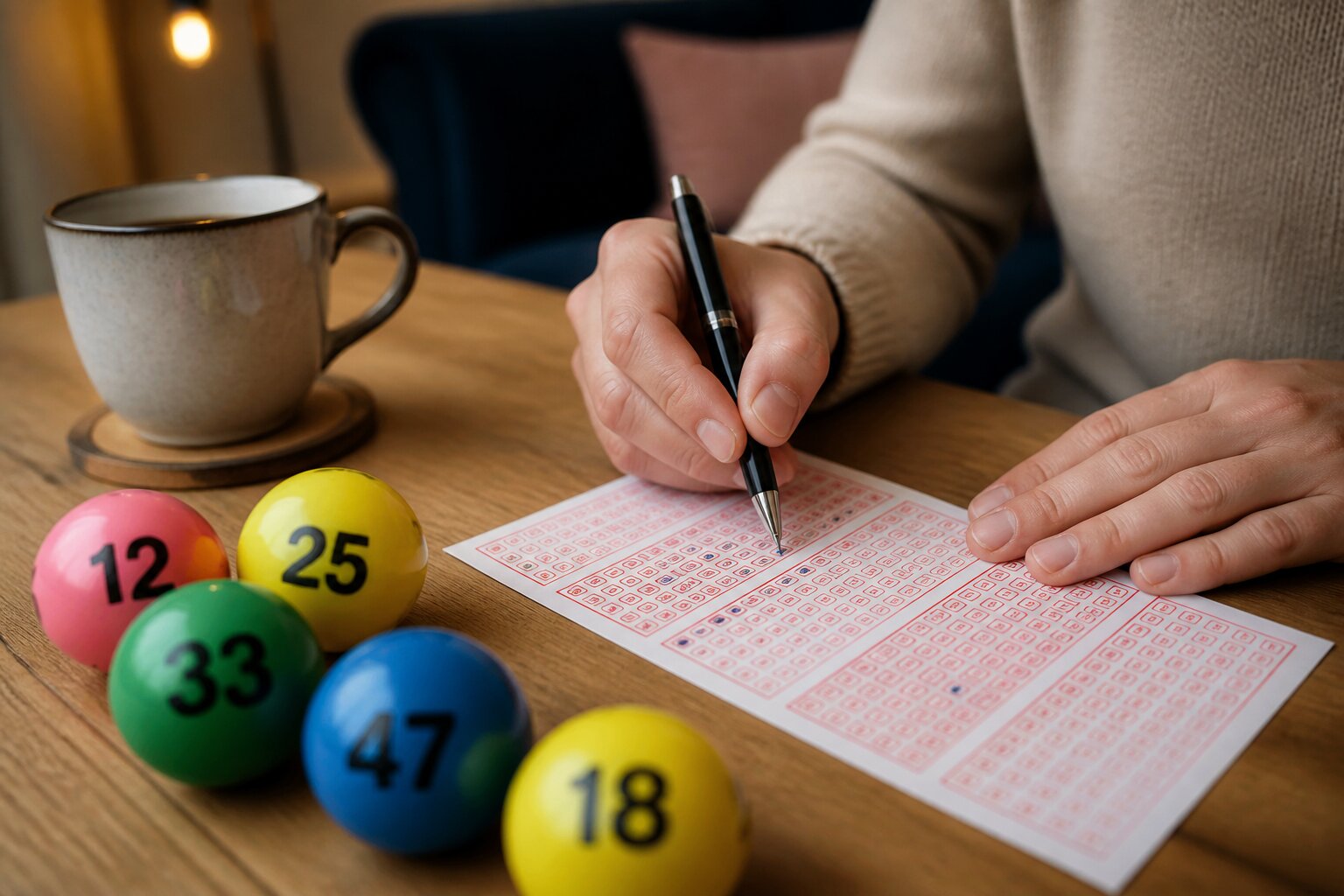
Ever picked your lottery numbers and wondered, “Does the order really matter?” It’s a question plenty of players ask, especially when so much rests on just a handful of digits.
With so many draws and different games on offer, it’s easy to get confused about how your numbers need to line up to win. Does matching the numbers in the exact order count, or is just getting the same numbers enough?
If you want to settle the debate and sharpen your understanding of how wins are determined, you’re in the right place. Read on to learn how draws work, how prize tiers are set, and what actually matters when your ticket is checked.
How Are Lottery Numbers Drawn?
Lottery draws use strict procedures to make sure results are fair and unpredictable. In the UK, organisers typically rely on either mechanical ball machines or computerised random number generators (RNGs).
Mechanical machines mix numbered balls—often by air or with rotating paddles—and release them one by one. The design and operation are closely supervised, with independent witnesses and testing to make sure every ball has the same chance of being selected. Computerised RNGs are subject to similarly rigorous checks: independent audits, statistical testing and secure processes that verify the system behaves as intended.
These safeguards exist so every draw is performed to the same standard and outcomes are not influenced by outside factors. Clear procedures and oversight give players confidence that numbers are drawn according to the published rules and that no selection benefits from any predictable pattern.
Understanding how draws are generated helps explain why the order of numbers rarely matters in practice; it also sets the scene for how different games handle number selection and prize structures.
Understanding UK Lottery Game Formats
UK lottery games use a few common formats in which players select a set of numbers from a larger pool. The most familiar examples ask for a handful of main numbers and sometimes one or more extras drawn from a separate pool.
For instance, one national game asks players to pick six numbers from 59, while another requires five main numbers from 1 to 50 plus two additional numbers from a different set. Other games, including those with shorter draws or different prize models, have their own number ranges and specific rules.
Prizes are arranged in tiers according to how many of the drawn numbers a ticket matches. The highest prize requires matching all the main numbers; lesser prizes are paid for matching fewer numbers, and bonus or extra numbers can create additional tiers. Before purchasing a ticket, the prize table for each game explains exactly what combination of matches yields which prize.
This game-format overview leads naturally to how matching is evaluated and why order is treated the way it is in most draws.
Matching Lottery Numbers: What Counts as a Win?
In the majority of UK draw-based lottery games, the order of the numbers on your ticket is irrelevant. What matters is whether the numbers themselves match those drawn, not the sequence in which they appear.
For example, if the six drawn numbers are 10, 24, 32, 45, 48 and 53, any ticket that contains those same six numbers qualifies for the top prize regardless of how they are printed. This principle applies across main national draws and most similar formats. There are, however, some specialised or instant-win offerings that do require specific order or patterns; those will state such requirements plainly in their rules.
So when checking your ticket, focus on the set of numbers rather than their arrangement, and always consult the game’s rules if you are unsure about a particular product’s format.
Types of Prizes Based on Number Matches
Prize tiers vary according to how many drawn numbers a ticket matches. The top prize—the jackpot—goes to tickets that match every main number, while secondary prizes reward partial matches. The relative size of each prize tier depends on the game's structure, ticket sales and whether any rollovers or shared winners occur.
Secondary prizes can still be significant. For example, matching five of six main numbers typically pays substantially less than the jackpot but can still produce a sizeable sum. Smaller prize tiers, such as matching three or two numbers, give many tickets a chance of returning some value. Bonus balls or extra numbers can lift a ticket into a higher tier even when it doesn’t match all the main numbers.
Knowing how prize tiers are formed helps set expectations about potential outcomes and how different matches are valued. This understanding also clarifies why order rarely affects a payout, but it points you towards checking special-game rules where sequence might matter.
Do Lottery Number Order Rules Differ Between Games?
Most traditional draw-based lottery games do not require matching numbers in order; prizes are awarded on the basis of which numbers match the drawn set. That said, games that are not standard draws—such as certain instant-win formats, scratchcards or themed draws—may use rows, columns or sequences where order or position becomes part of the gameplay.
When a game does rely on order, the rules state that explicitly and outline how a winning sequence is determined. For standard draws, the lack of an order requirement simplifies result-checking and keeps prize allocation focused on the number of matches rather than how they appear on the ticket.
If you’re trying a new type of game, have a quick look at its rules so you know whether sequence or position plays any part in winning.
Myths About the Order of Lottery Numbers
A common myth is that the order of numbers influences the outcome or a ticket’s prospects. In regulated draw-based games, that’s not the case—numbers are evaluated as a set rather than an ordered list. Another persistent idea is that past draws or visual patterns can predict future outcomes; rigorous testing and independent audits ensure draws are statistically independent, so prior results don’t create a reliable signal for future ones.
There’s also the misconception that particular machines or draw methods produce predictable results. Both mechanical machines and audited RNGs are maintained and tested to prevent biases; the procedures in place are intended to make outcomes impartial and consistent.
Dispelling these myths helps focus attention on the genuine elements that matter: knowing a game’s format, understanding prize tiers and following the official rules where order might be relevant.
Claiming Prizes: What to Do If You Win
When a ticket matches a prize tier, the process for claiming depends on how and where the ticket was purchased. Lower-value winnings bought in shops can often be redeemed at retailers, while larger prizes normally require a claim form, proof of identity and contact with the operator. Online purchases generally result in smaller prizes being paid into the player’s account automatically; substantial prizes trigger direct communication and additional checks to verify identity and age in line with regulatory requirements.
Keeping tickets safe and ensuring account details are up to date will make the claims process smoother. Also note that time limits for claiming can vary between games, so it’s sensible to act promptly if a ticket appears to win.
Clear procedures for claiming protect both players and operators and ensure prizes are paid correctly and securely.
Does the order of my lottery numbers matter?
In nearly all UK draw-based games, the order of your numbers does not matter; winning is based on matching the drawn numbers themselves. Some final clarifications follow.
Can I win a prize if I only match some of the numbers?
Yes. Most games have several prize tiers, so matching a subset of the drawn numbers can still produce a payout, with larger matches earning higher prizes.
Do bonus balls count towards the jackpot?
Bonus or extra numbers typically affect secondary prize tiers rather than the main jackpot, which requires matching all the primary drawn numbers.
Are online and physical tickets treated the same way?
Both ticket types access the same prize structure. The main difference is in how winnings are paid and how claims are handled: online wins are usually paid directly to an account, whereas paper tickets often require a retailer or claim centre for larger amounts.
Do I need ID to claim a prize?
Yes, identification and proof of age are required for larger prizes as part of standard regulatory checks. These procedures help ensure prizes are awarded correctly and securely.
That covers how draws are conducted, how prizes are structured and what really matters when checking a ticket. When you next hold a ticket, you’ll know that for most draw-based games it’s the numbers themselves that count, not the order they’re written in.
**The information provided in this blog is intended for educational purposes and should not be construed as betting advice or a guarantee of success. Always gamble responsibly.