
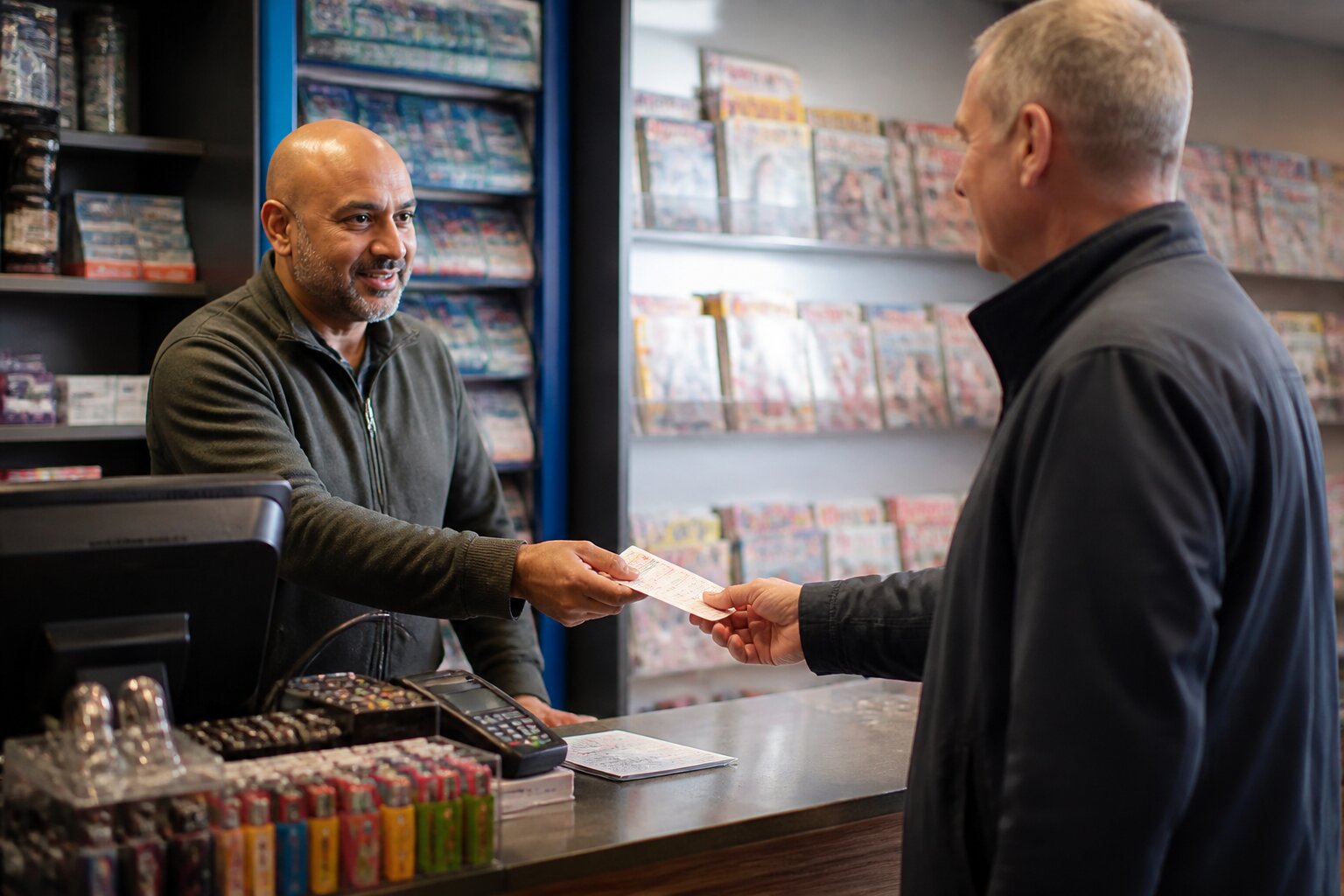
There’s a familiar pleasure in popping into a local shop, picking up a lottery ticket and imagining what those winning numbers might mean for you. With more services moving online, it’s natural to wonder whether buying tickets in person is still an option.
This article explains where you can still buy tickets, how the in-store process works, and what to expect when checking or claiming prizes. Read on to know what to take to the shop and what differences to expect compared with buying online.
Where Can You Purchase Lottery Tickets on the High Street?
Lottery tickets remain available across the high street. Typical outlets include newsagents, supermarkets and convenience stores that hold the appropriate retail licence. These retailers are authorised to sell tickets and scratchcards under the rules set by the regulator, which gives you confidence that purchases are handled correctly.
Not every shop sells lottery products; only those that have applied for and received the required permission display the official logo and offer tickets. You need to buy in person at these venues and be at least 18 to complete the purchase. If you plan to visit a shop specifically to buy a ticket, it helps to choose a busy newsagent or supermarket where a larger range of games and scratchcards is more likely to be in stock.
If you want to know what happens next at the counter, the buying process is straightforward and quick.
How Does the In-Store Buying Process Work?
At the counter you can request a Quick Pick, where the terminal generates numbers for you, or hand over a completed play slip with your selected numbers for the next draw. For scratchcards, you simply choose from those on display and pay at the till.
The cashier processes the transaction using the lottery terminal and issues an official paper ticket or the scratchcard you bought. Retailers will check proof of age if there is any doubt that a customer is 18 or over, and they must follow the identification requirements set out in the rules. Keep your ticket or scratchcard safe until after the draw or until you have checked whether it is a winner.
If you enjoy a more personal buying experience, that is one of the reasons many people continue to buy tickets from newsagents and other shops.
What Are the Benefits of Buying Lottery Tickets from Newsagents?
Buying from a newsagent offers face-to-face service and the ability to choose on the spot. Staff can answer basic questions about the different games, point out current draws or scratchcard options, and help with the play slip if needed. For those who prefer a tangible ticket and the social element of a shop visit, this remains a clear advantage.
Payment methods in-store are usually cash or debit card. Credit cards are not accepted for lottery purchases, in line with the rules governing payments. These payment limits are intended to help customers manage their spending while keeping transactions straightforward.
If you are curious about how modern stores are adapting, the next section looks at recent changes to retail sales and accessibility improvements.
Are There Any Changes to Retail Lottery Ticket Sales?
Retailers have been updating equipment and layouts to improve service and accessibility. Many larger shops now provide self-service terminals alongside the traditional counter, allowing customers to select and print tickets without waiting in line. These machines are designed with clear on-screen instructions and follow the same security and identity checks as cashier sales.
Accessibility has also been a priority. Shops are making entrances, counters and signage easier to use, and staff are available to assist customers who need help with terminals or play slips. These developments aim to make buying a ticket straightforward for a wider range of customers while keeping procedures secure.
Greater use of terminals and improved access in shops also affects how you verify and claim smaller prizes, which is explained next.
Can You Check and Claim Prizes in Shops?
Most shops that sell lottery products can check tickets and pay out small wins on the spot by scanning the ticket through the terminal. For scratchcards, staff can verify the card’s security features and confirm payouts through the same system. Typically, modest prizes are paid in cash up to a set limit, after which you will be advised on the process for claiming larger amounts.
Larger prizes require a different route and may involve completing a claim form and providing identification. Keeping your ticket safe is essential because it is the only proof of a win. If you need to pursue a significant claim, shop staff will explain how to contact the lottery operator to arrange collection or transfer of funds.
Once you know how claims work in shops, it is useful to compare this with online purchases to see which suits you best.
Do High Street Purchases Differ from Online Lottery Buying?
The regulatory framework and core rules are the same whether you buy in a shop or online, but practical differences matter. In-store purchases give you a physical ticket to hold; online buys create a digital record and often include automatic result notifications and digital claims handling. Shops accept cash and debit cards, while online accounts require a verified payment card linked to the account.
Availability is another distinction: online services are accessible at any time, whereas shop purchases are limited to opening hours. Neither route changes how draws are conducted or how tickets are treated in terms of fairness and security.
Deciding between the two often comes down to whether you prefer a tangible ticket and personal service, or the convenience and automated record-keeping of an online account.
Rules and Age Restrictions for Buying in Shops
The law forbids anyone under 18 from buying lottery tickets or scratchcards, and retailers must check identification if they suspect a buyer is underage. Staff are trained to request proof of age where there is any doubt, and shops are expected to refuse sales when a buyer cannot confirm they are 18 or over. This duty applies equally whether the customer looks younger or when behaviour raises concern.
Retailers must also have procedures in place for recognising and reporting attempts by underage customers to purchase lottery products. Training covers identifying false or borrowed ID and the steps to take if a sale is refused, so staff know how to act consistently and reduce the risk of unlawful sales.
These safeguards form part of the wider regulatory framework designed to keep retail sales lawful and to protect customers. Retailers are required to follow verification procedures consistently so that only adults participate, helping to maintain public confidence in the lottery system.
Common Myths About Buying Lottery Tickets in Shops
There are several persistent myths about retail purchases. One is that buying from particular shops or at certain times gives a ticket an edge. In reality, draws and scratchcards are produced and handled so that the outcome is not influenced by where or when a ticket was bought. Another misconception suggests shop staff can identify tickets that will win. The distribution and tracking of tickets make that impossible for retail staff.
Beliefs that buying more tickets from the same shop significantly changes outcomes ignore that each entry is processed as a separate ticket under the same rules. Understanding these facts can help set realistic expectations about what a shop visit offers.
If you want a final sense of whether visiting a shop is still worthwhile, the next section sums up the key points.
Summary: Is Buying Lottery Tickets in Shops Still Worthwhile?
Buying tickets in shops remains a legitimate, regulated option and suits people who value a physical ticket and the personal service of a newsagent or supermarket. Retail purchases follow the same legal requirements as online sales, including age checks and secure handling of tickets and prizes. Shops now offer new conveniences such as self-service terminals and improved accessibility, while the process for checking and claiming smaller prizes remains straightforward.
Choose the route that matches how you prefer to play: in person for the tangible experience, or online for round-the-clock access and automatic records. Whatever you decide, buy only from authorised retailers, keep any ticket safe until it is checked, and be aware of the rules around claiming larger prizes. This ensures your experience is clear, secure and handled correctly from purchase to payout.
**The information provided in this blog is intended for educational purposes and should not be construed as betting advice or a guarantee of success. Always gamble responsibly.